


Pepi City: Hospital Life
4.24.55K Reviews
App Specs
- Version
- 3.16.0
- Updated On
- License
- Free
- Downloads
- 100,000,000+
- Developer
- Pepi Play
- Categories
- Educational
- Platform
- Android, iOS
Screenshots
 Analysis by AppCompare
I’d choose Pepi City: Hospital Life if I wanted a child to make up stories in a medical setting rather than follow a set of lessons or compete to finish levels. That distinction matters: this is an educational pretend-play game from Pepi Play, built around imagining what happens in a hospital. It suits a curious child who likes moving characters and objects around and inventing roles; it is less suited to someone looking for a structured medical simulator or a game with clear goals and progress markers.
How to decide whether the hospital setting fits
The useful question is not whether a child will learn a full course in healthcare, but whether a hospital is a setting they will enjoy exploring. In this game, a child can take the role of doctor or patient and build their own little scenarios. That open-ended approach can make familiar topics—visiting a doctor, caring for someone, or waiting for help—easier to talk about without turning play into a quiz.
I would use it as a shared conversation starter, not as a substitute for explaining a real appointment. A parent can follow a child’s lead: if they wonder what a piece of equipment is for, answer simply, and if they prefer to turn the visit into a silly story, let the play stay light. The game’s Everyone age rating is reassuring as a broad content classification, but it does not tell a parent whether a particular child will enjoy the theme or need an adult nearby.
Where free-form play has an advantage
The main appeal is the freedom to act out both sides of a visit. A child can imagine being the person helping, then switch to the person receiving care, which gives the setting more room for stories than a single-role activity. The store summary captures that role-play premise, but the practical value is in how easily a family can turn it into a small, familiar scene: a check-up before lunch, a pretend patient who needs reassurance, or a doctor who has to explain what happens next.
That makes Pepi City a better fit for imaginative play than for drilling facts. I would not expect it to teach clinical skills or give a detailed account of how real hospitals operate. Instead, its educational value is gentler: it offers children a place to try out caring roles and talk through a setting that can feel intimidating in real life. For a child nervous about an upcoming visit, a pretend scenario may be a useful opening for conversation, though it cannot promise to remove that worry.
What to expect from the experience
The game has been available since February 13, 2018, and its current version is 3.12.1. It has a 4.3 average from around 245,000 ratings, with more than 100 million installs. Those figures suggest that many people have tried it, but they do not tell me whether its particular style will hold a child’s attention. I would judge that by watching whether the child starts creating their own scenes instead of simply tapping objects at random.
It is free to download, while in-app purchases range from $1.49 to $4.49 per item. That is worth discussing before handing over a device, especially if a child can browse purchase screens independently. I would check the purchase settings on the device and agree on a simple rule beforehand: the free experience is the starting point, and any paid item is a decision for an adult. The game requires Android 6.0 or later, which is a practical compatibility check if you plan to use an older device.
Worth Reading Before You Choose

Baby Panda World Brings Quick Play to Modern Phones, but Its Game Library Feels Busy

ESPN’s Live Game View Makes Following Close Games Easier

QuizzLand Review: A Good Fit for Short Trivia Breaks, Not Every Player

Basketball Stars: Multiplayer Is Fast, but Can It Recover When Matches Go Wrong?

WEBTOON Turns Phone Updates Into a Better Reading Routine

Link to Windows Runs on Shared Habits, Not Social Feeds
When another kind of game may work better
Compared with educational games built around questions, spelling practice, or step-by-step tasks, this is a looser experience. That looseness is a strength when a child wants to invent a story, but a drawback when a parent wants a clear lesson or a measurable task to complete. A child who enjoys puzzles or explicit objectives may be happier with a more structured educational game. Likewise, families looking for a realistic medical simulator should choose something designed for that purpose rather than treating this playful hospital world as an accurate guide.
It also differs from general-purpose dollhouse or city role-play games because the hospital setting gives the stories a specific focus. That can make it especially appealing to a child interested in doctors and patients, but it can also narrow its appeal. If a child is uncomfortable with medical themes, or simply prefers everyday settings, another pretend-play game is likely a better choice. There is no need to push the hospital angle just because the game is educational.
Making a short play session work
A useful way to introduce it is to start with a small prompt rather than explaining how the child should play. For example, ask them to invent a visit for a character who needs help, then see what roles they choose and what they decide to do. If the story stalls, offer one gentle question—“What would the patient like to know?”—instead of turning the session into a lesson. This keeps the child in charge while giving a parent a natural chance to discuss care and reassurance.
For a busy afternoon, I would treat it as a brief creative activity rather than assume it will occupy a child for a long stretch. A parent can sit nearby for the first few minutes, help with any unfamiliar controls, and then step back if the child is navigating comfortably. That approach is also a useful test of fit: if the child needs constant suggestions, the open-ended format may not be clicking; if they start making up characters and situations, the game is doing what it is best at.
Small trade-offs worth considering
Open-ended play can be hard to evaluate because there may be no obvious finish line. Some children enjoy returning to the same setting and changing the story; others quickly ask what they are supposed to do next. I would not present the game as a checklist of educational milestones. Its strongest use is imaginative exploration, and a parent who wants a defined sequence of lessons should set that expectation before downloading.
The purchase model is another point to manage. The game is free, but optional items cost money, so “free” does not mean every possible addition is included. I would review the purchase controls before a child plays alone and avoid promising access to every item. That small bit of preparation can prevent an enjoyable role-play session from turning into a negotiation about spending.
What parents may want to know before installing
Is it only for children? It is primarily aimed at young players, but an adult can join in by asking questions or helping shape a story. Is it a reliable way to teach medical facts? I would say no: it is better viewed as pretend play with a healthcare theme than as formal instruction. Can it help a child prepare for a doctor visit? It may provide a low-pressure way to talk about the idea, but every child responds differently, so I would pair it with an honest, age-appropriate conversation rather than rely on the game alone.
Parents may also wonder whether they need to buy something before a child can try it. The download is free, and optional in-app purchases are available, so a family can begin without paying for the game itself. I would still check the device’s purchase settings and supervise the first session, both to see how the child responds to the theme and to understand how they navigate the experience.
My overall recommendation is for families seeking a colorful, low-pressure setting for hospital-themed storytelling. Pepi Play’s game has a clear niche: it gives children room to explore doctor-and-patient roles, rather than asking them to master a curriculum. If your child enjoys pretend play and is curious about healthcare, it is worth trying; if they need structured instruction, dislike medical settings, or expect a realistic simulation, I would look elsewhere. The best results come when an adult treats it as a conversation-friendly play space, keeps purchases under adult control, and lets the child invent the story.
Welcome to the World of Pepi City: Hospital Life
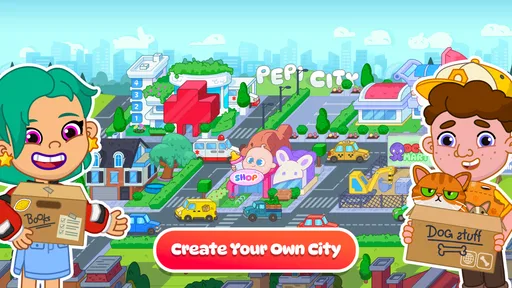
From the moment you open Pepi City: Hospital Life, you're welcomed into a colorful, animated hospital environment teeming with personality and charm. The app is designed to mimic the daily hustle and bustle of a hospital, complete with a variety of rooms, characters, and activities to engage with. It's like a mini-universe where you can unleash your imagination and play around in a safe, educational space.
Interactive Gameplay for All Ages
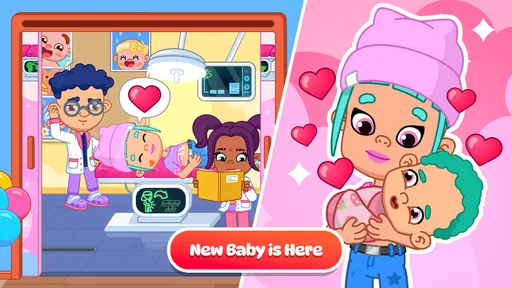
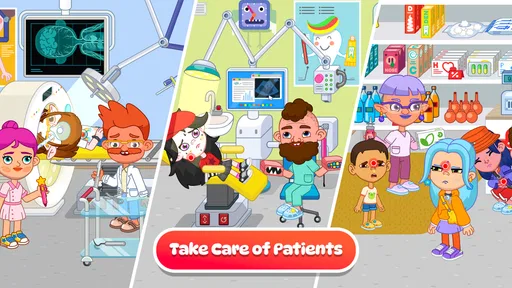
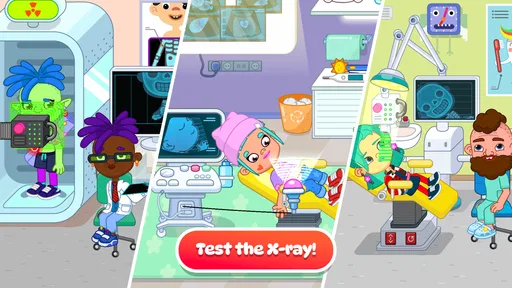
The app is primarily aimed at children, but let me tell you, it’s hard not to get sucked into its engaging gameplay, no matter your age. The interactive nature of Pepi City allows users to explore different hospital departments—from the emergency room to the maternity ward. Each section is packed with interactive elements, so you can perform tasks like checking a patient’s heartbeat or even delivering a baby.
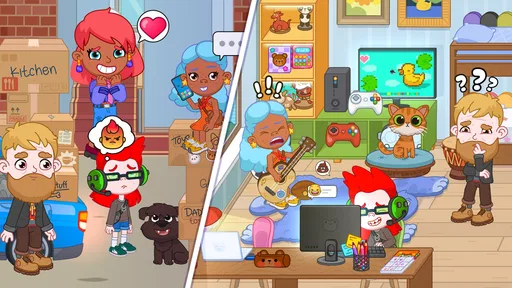
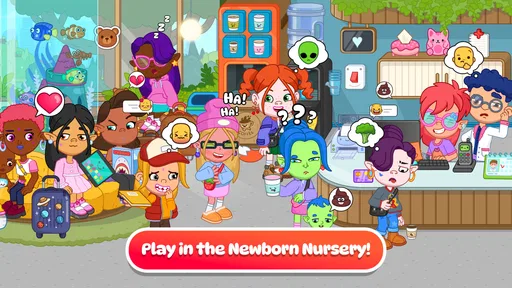
What sets this app apart is its attention to detail. Every room is thoughtfully designed, and there’s a plethora of objects to interact with. Whether you’re mixing potions in the lab or trying on different medical outfits, there’s always something new to discover. Kids can play the role of doctor, nurse, or even a patient, giving them a comprehensive look into hospital life.
Educational Yet Entertaining
While the app is undoubtedly fun, it doesn’t skimp on the educational aspect. It subtly introduces kids to the basics of healthcare and the importance of hospitals in our daily lives. Pepi City: Hospital Life fosters creativity and problem-solving skills by encouraging users to think on their feet as they manage different scenarios. It’s a great way to introduce children to medical concepts in a playful manner.
Easy Navigation and Kid-Friendly Design
One of the standout features of this app is its user-friendly interface. Navigation is intuitive and straightforward, allowing even the youngest users to explore independently. The characters are animated with bright colors and lively expressions, which makes the experience all the more engaging. Plus, the app’s sound effects and background music are perfectly tuned to keep the atmosphere light and enjoyable.
Customization and Creativity
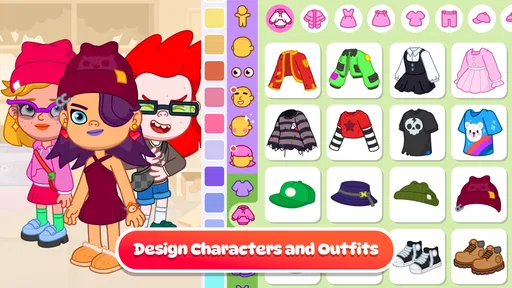
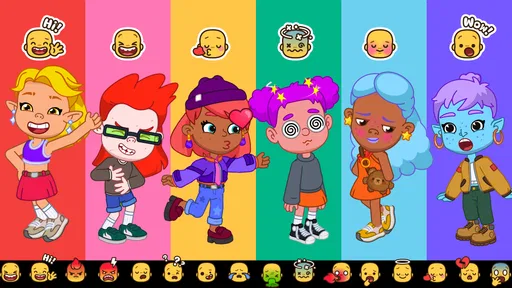
Pepi City also offers a range of customization options. Users can personalize their characters, choosing from a variety of clothes, accessories, and hairstyles. This feature allows kids to express their creativity and make their gameplay experience truly their own. It's a fantastic way to keep them engaged as they explore the hospital's many layers.
Safe Environment for Play
For parents, peace of mind is paramount, and Pepi City: Hospital Life delivers on this front. The app is free from third-party ads and in-app purchases, ensuring a safe and uninterrupted gaming experience. Parents can rest assured knowing their kids are playing in a secure digital space without any external distractions.
Final Thoughts
In conclusion, Pepi City: Hospital Life is a gem of an app that successfully combines fun with education, wrapped in a delightful package that’s sure to capture the hearts of its users. Whether you're a parent looking to introduce your child to the world of healthcare or simply someone who enjoys a good simulation game, this app is worth a download. So grab your pretend stethoscope and dive into the captivating world of Pepi City—you won’t regret it!
Pros
- Engaging and educational gameplay.
- Colorful and detailed graphics.
- User-friendly interface for kids.
- Diverse character customization options.
- Encourages creative role-play.
Cons
- In-app purchases can be pricey.
- Limited content in free version.
- Requires internet for full features.
- Ads can interrupt gameplay.
- No multiplayer mode available.
FAQs for Pepi City: Hospital Life
What is Pepi City: Hospital Life about?
Pepi City: Hospital Life is a fun and educational simulation game where players can explore the daily operations of a hospital. It offers interactive gameplay, allowing users to engage in various medical scenarios and tasks. This app is designed for children and provides a playful way to learn about healthcare and hospital environments.
Is Pepi City: Hospital Life suitable for all ages?
While Pepi City: Hospital Life is primarily designed for children, it offers educational content that can be enjoyed by all ages. The game encourages creativity and learning through role-playing, making it an excellent choice for young ones interested in healthcare, as well as parents looking for educational content.
What platforms is Pepi City: Hospital Life available on?
Pepi City: Hospital Life is available on both Android and iOS platforms. Users can download the app from the Google Play Store for Android devices and the Apple App Store for iOS devices. Always ensure your device meets the necessary system requirements for optimal performance.
Are there in-app purchases in Pepi City: Hospital Life?
Yes, Pepi City: Hospital Life includes in-app purchases. These purchases can unlock additional content and features, enhancing the gameplay experience. Parents should be aware of these options and may wish to set purchasing controls or discuss spending limits with their children before they start playing.
Does Pepi City: Hospital Life require an internet connection?
Pepi City: Hospital Life does not require a constant internet connection for most of its gameplay. However, an internet connection may be necessary for downloading updates or accessing certain features. Playing offline is generally possible, making it convenient for travel or areas with limited connectivity.


